BEIJING, April 30, 2026 — As Auto China 2026 enters its final stage in Beijing, one message is becoming unmistakable: China’s new energy vehicle export story is no longer just about volume. It is now about structure, technology, and global strategy.
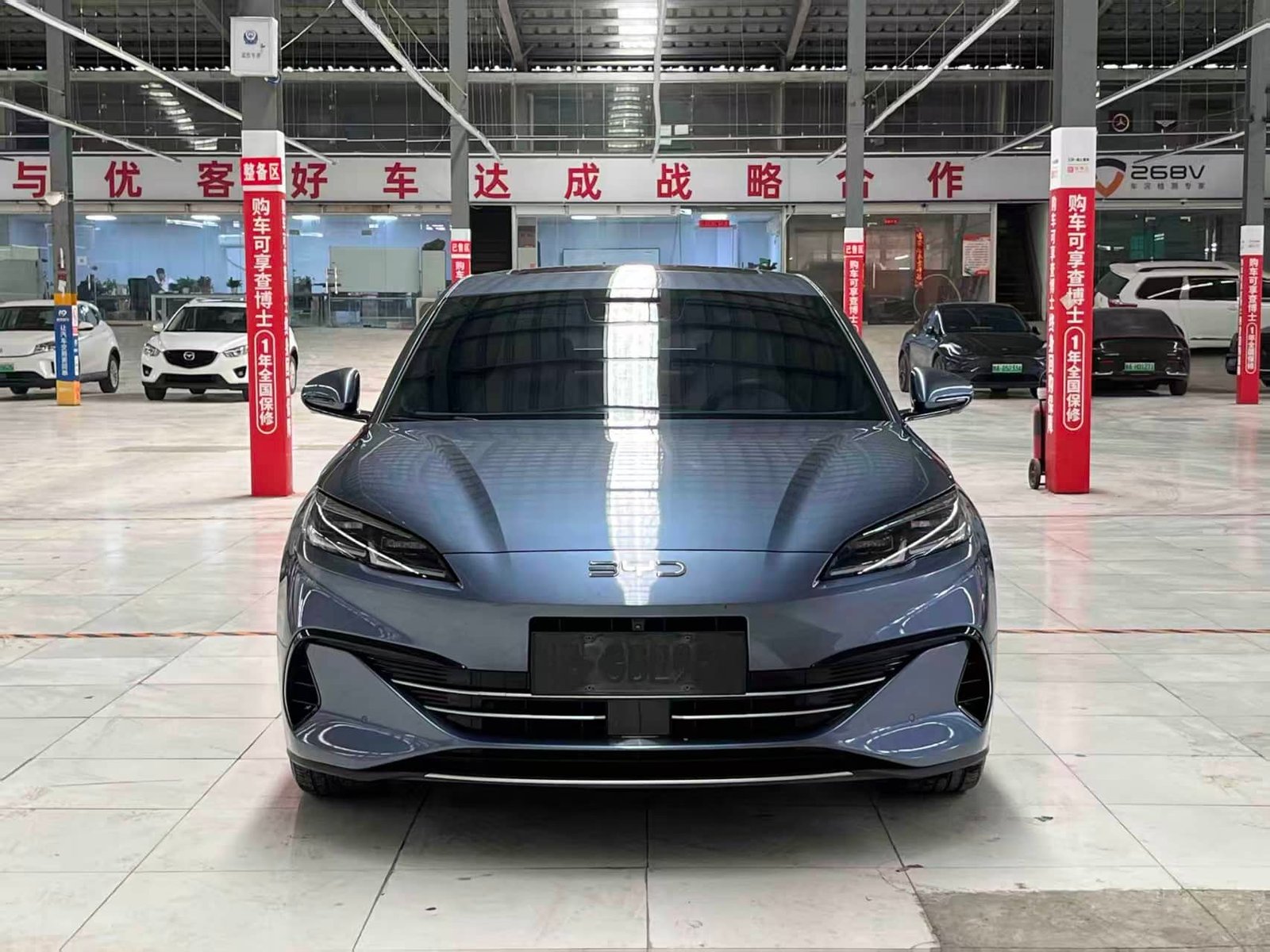
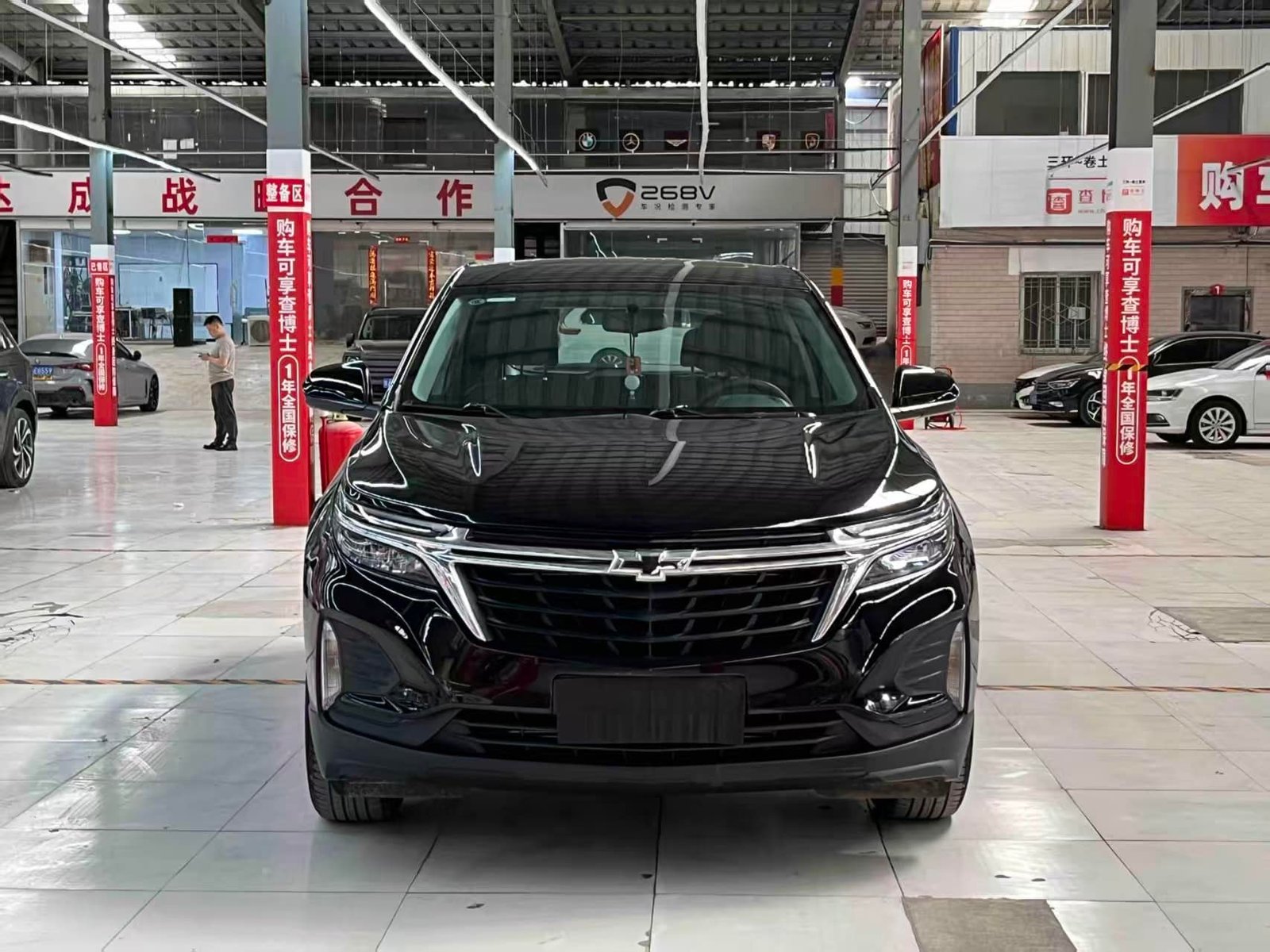
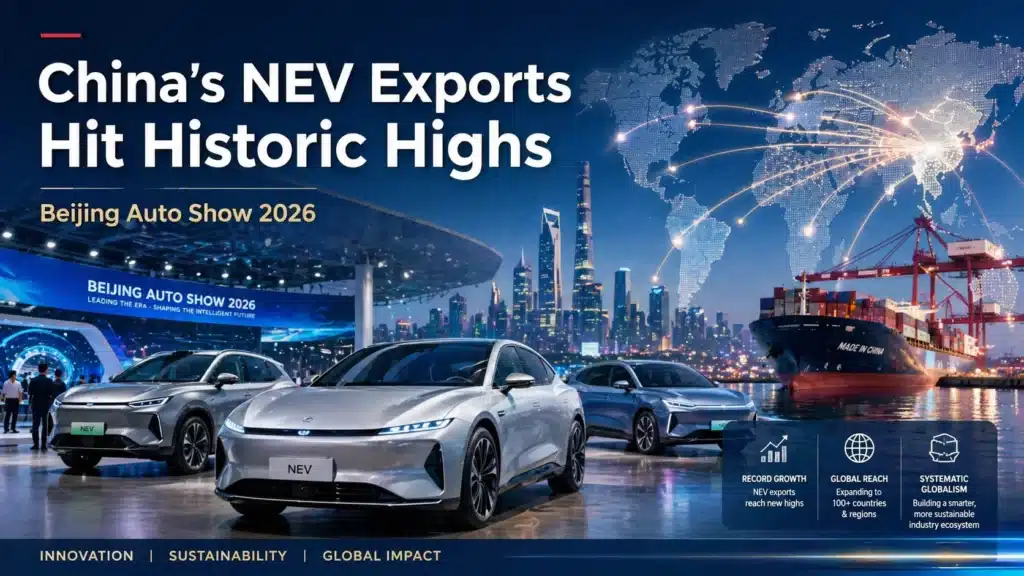
According to recent industry data, China’s passenger vehicle exports reached 695,000 units in March, up 74.3% year on year, while NEV exports rose to about 371,000 units, setting another strong milestone for the sector. Against the backdrop of the Beijing Auto Show, these numbers show how Chinese automakers are moving from rapid expansion to more systematic global positioning.
Record-Breaking Growth: The 50% NEV Milestone
According to the latest industry reports, China’s passenger car exports reached a staggering 695,000 units in March 2026, marking a 74.3% year-on-year increase. This momentum has carried through April, fueled by the massive international presence at the Beijing Auto Show.
For the first time in history, New Energy Vehicles (NEVs) have surpassed the psychological threshold, accounting for 50.2% of total export volume. This shift signals that the world is no longer just buying Chinese cars for their affordability; they are buying them for their technological lead in electrification.
From “Product Export” to “Systemic Integration”
One of the hottest topics discussed by analysts at the Beijing show is the transition from exporting finished vehicles to “System-level collaboration.” Leading brands like Geely and Changan are no longer just shipping steel; they are exporting entire intelligent architectures.
- GAC International recently unveiled a upgraded global strategy, aiming for 300,000 overseas sales in 2026. Their focus is on “localized value creation,” ensuring vehicles comply with Euro 7 standards and support 44 languages from the factory floor.
- Chery Group has officially opened its European Operations Center in Spain, leveraging a “hitchhiking” strategy by revitalizing local European brands with Chinese EV platforms.
This move toward localized production helps Chinese OEMs bypass rising trade barriers and high logistics costs, transforming them into true global entities rather than just “Chinese exporters.”
The Intelligence Factor: AI and Smart Cockpits
The 2026 show floor has been a showcase for AI-driven mobility. While legacy international brands are still catching up on battery density, Chinese manufacturers like BYD and Xiaomi are racing ahead in software-defined vehicle (SDV) architectures.
Xiaomi Auto, a newcomer that has taken the industry by storm, announced a 2026 delivery goal of 550,000 units. Their success in integrating the “Human-Car-Home” ecosystem is a major draw for younger tech-savvy consumers in Southeast Asia and Europe. Meanwhile, BYD’s Fang Cheng Bao brand debuted the Formula X, an electric roadster that proves Chinese brands can now compete in the high-end emotional and performance segments of the global market.
Navigating Global Headwinds
Despite the celebratory atmosphere in Beijing, the “China Auto Export Daily” must acknowledge the complexities of 2026. Global oil price volatility, exacerbated by regional conflicts, has ironically accelerated the demand for Chinese EVs in markets like Russia and the Middle East. Exports to Russia alone surged 93.4% in the first quarter of 2026, reaching a value of $2.6 billion.
However, the “overcapacity” narrative remains a point of contention in Western markets. Chinese automakers are responding not with price wars alone—though BYD and Geely continue to compete fiercely on margins—but with superior product specs. The introduction of solid-state batteries and Level 3 autonomous driving features as standard in export models is making it increasingly difficult for global consumers to ignore the “China-made” value proposition.
The Road Ahead
As we look toward the second half of 2026, the focus will shift from the glitz of the Beijing Auto Show to the reality of global logistics and local service networks. The data suggests that China will comfortably remain the world’s largest auto exporter this year, with total shipments potentially exceeding 6 million units.
The message from Beijing is clear: The Chinese automotive industry has moved beyond the “imitation” phase. It is now the primary engine of global automotive innovation, exporting the future of mobility one smart vehicle at a time.
Keywords: China Auto Export, Beijing Auto Show 2026, NEV Growth, BYD Global, Geely International, Smart EV Technology, Chinese Car Brands Europe.