TL;DR
China’s automobile exports increased by 19.3% in 2024 (CAAM, 2025). RoRo shipping to Lagos takes approximately 30-45 days (AutoZQI logistics, 2026). The 2026 takeaway is that Chinese EV export opportunities remain attractive, but model compliance, tariff exposure, battery documentation, and after-sales planning now matter as much as the purchase price.
What Happened: just the facts, sources cited inline
Chinese manufacturers have expanded overseas sales through distributor agreements, direct fleet supply, and parallel export channels. Battery-electric vehicles and plug-in hybrids remain central to this expansion, while gasoline and conventional hybrid models still represent a significant share of China’s total vehicle exports.
The export market is also becoming more segmented. Buyers in the Middle East, Africa, Latin America, Central Asia, and Europe face different homologation rules, charging standards, taxes, and documentation requirements. Background information from the U.S. International Trade Administration illustrates the scale and policy-driven development of China’s automotive sector.
| Market factor | Current buyer implication | Recommended check |
|---|---|---|
| Rapid model updates | Specifications may change within one model year | Confirm VIN-linked configuration before payment |
| Regional EV versions | Charging ports and software can differ | Verify GB/T, CCS2, or local standard compatibility |
| Trade remedies | Landed cost may vary by manufacturer | Calculate duty by brand and production entity |
| Battery transport rules | Missing files can delay loading | Request MSDS, UN38.3, and battery identification |
| Parallel exports | Warranty support may be restricted | Obtain written warranty and parts terms |
The EU’s definitive countervailing duty rate for SAIC battery EVs was set at 35.3% (European Commission, 2024). That rate is separate from the EU’s standard vehicle import duty and demonstrates why importers must identify the actual manufacturer rather than relying only on the retail brand name.
Importers should also distinguish factory-authorized exports from vehicles purchased through domestic Chinese retail channels. Domestic-market EVs may have Chinese-only interfaces, restricted connected services, or warranties that do not apply abroad. Buyers considering direct procurement can review the benefits of sourcing cars from China before selecting a channel.
Why It Matters: your interpretation backed by data
Chinese EV pricing can provide room for dealer margins, but an attractive supplier quotation is not the same as a competitive landed cost. The final calculation must include inland transport, export handling, ocean freight, insurance, import duty, VAT, port charges, homologation work, charging accessories, and spare parts.
The main B2B risk is shifting from basic vehicle availability to specification accuracy. Two vehicles with the same model badge can have different battery capacities, driver-assistance hardware, charging ports, heat pumps, infotainment languages, and over-the-air service access. A purchase contract should therefore include a signed specification sheet rather than only a model name and trim level.
Shipping method affects both cost and operational flexibility. RoRo can suit running vehicles in regular port-to-port volumes, while a container may be preferable for smaller batches, higher-value units, or routes without dependable RoRo service. FOB gives the importer control over freight; CIF includes freight and marine insurance to the named destination port. DAP can simplify coordination, but local duties and registration costs must still be allocated clearly.
AutoZQI’s operational planning range for export inspection, documentation, and port delivery is typically 7-12 days after the vehicle and cleared funds are available (AutoZQI operations, 2026). This is a planning estimate, not a guaranteed lead time, because manufacturer release schedules, customs checks, and vessel cut-off dates can change.
What’s Likely Next: forward-looking, label uncertain claims
Likely: Chinese brands will continue appointing national distributors and regional service partners, reducing dependence on one-off parallel exports in selected markets. Dealers able to provide diagnostics, battery assessment, software support, and common spare parts should be better positioned than sellers competing only on price.
Uncertain: Tariffs and subsidy investigations may expand or change by manufacturer. Importers should not apply one published duty rate to every Chinese EV, especially when different brands use different production entities or assembly locations.
Likely: Plug-in hybrids and range-extended EVs will receive more attention in markets with limited public charging. Battery EV demand should remain stronger in cities, fleet operations, and countries with dependable charging infrastructure.
Uncertain: Connected features may work differently after export. Mobile applications, embedded SIM cards, navigation, voice control, and remote updates can depend on regional servers. These functions should be tested before a dealer advertises them to retail customers.
What Importers Can Do About It: actionable takeaways
A structured procurement file reduces disputes and helps customs brokers prepare accurate declarations. AutoZQI recommends completing commercial, technical, and logistics checks before paying the final balance.
| Procurement stage | Required action | Evidence to retain |
|---|---|---|
| Supplier screening | Verify company registration and export capability | Business license and bank details |
| Vehicle selection | Confirm model year, trim, battery, and charging port | Signed specification sheet |
| Pre-shipment control | Inspect exterior, interior, functions, and VIN | Dated inspection report and media |
| Contracting | Define FOB, CIF, or DAP responsibilities | Signed sales contract and Incoterm |
| Logistics | Reserve container or RoRo space | Booking confirmation and bill of lading draft |
| Arrival planning | Check duty, homologation, and registration | Broker calculation and compliance checklist |
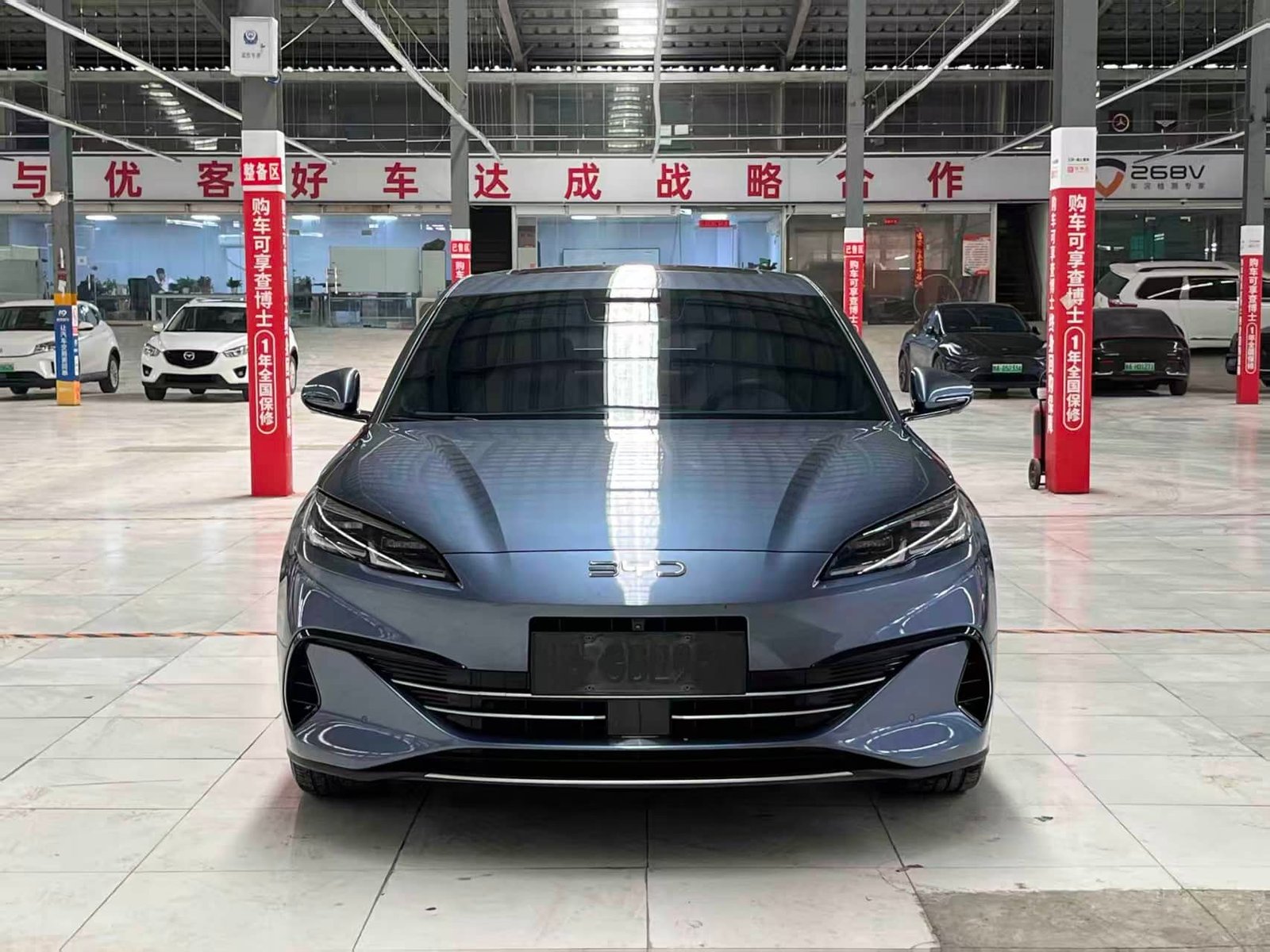
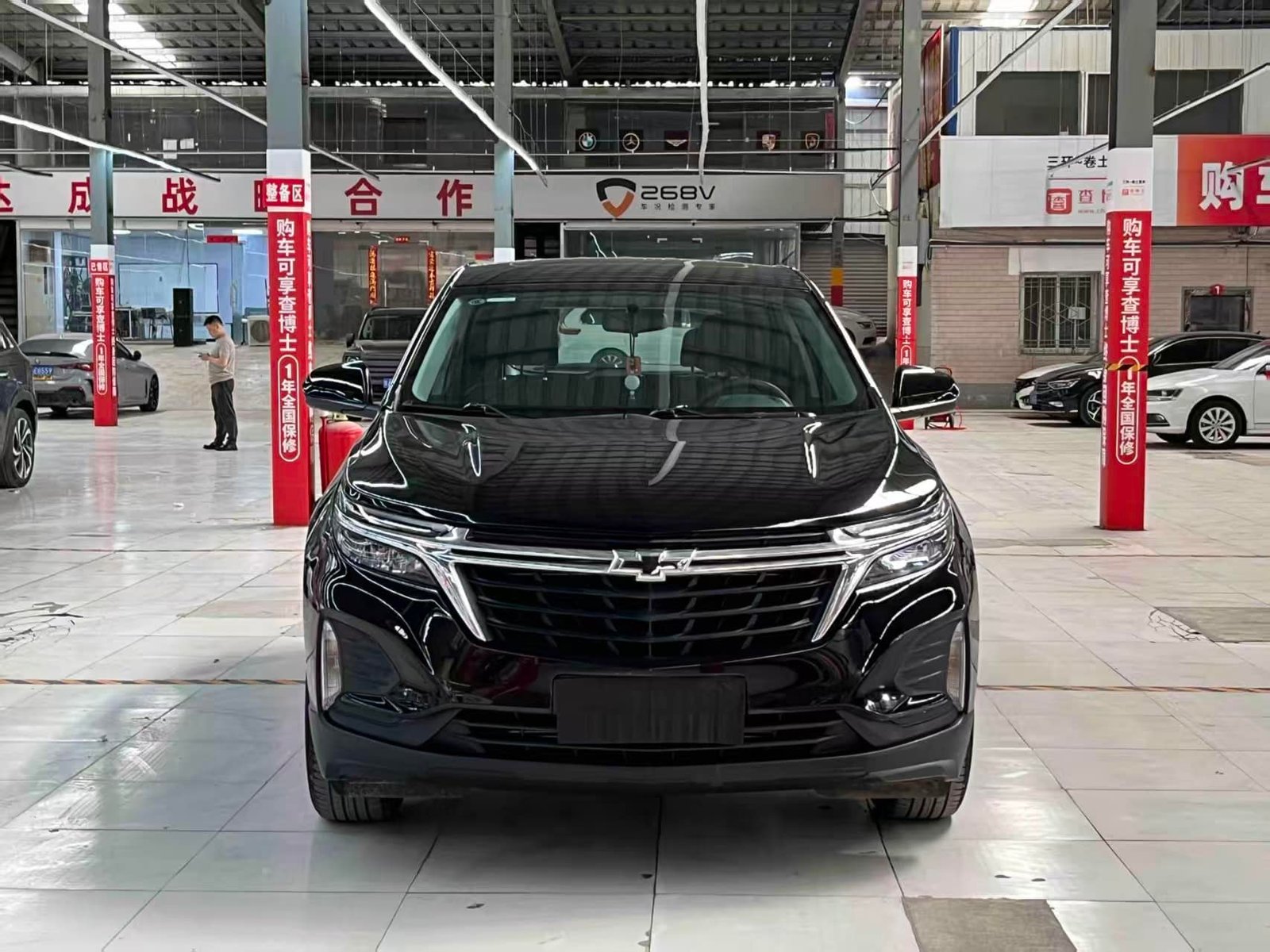
Request a VIN-level inspection report before loading. For used or stored vehicles, include paint-depth readings, underbody images, diagnostic scans, battery state-of-health data when accessible, and checks for water exposure. Buyers can also follow this guide on avoiding scams when buying cars from China.
Do not approve shipment based only on promotional photos. Match the VIN across the vehicle, invoice, export declaration, certificate, and bill of lading. For mixed-model orders, maintain a separate document set for every unit.
FAQ
Q: Is FOB or CIF better for Chinese EV imports?
A: FOB is often suitable for experienced importers with negotiated freight contracts. CIF may be easier for first orders, but buyers should confirm the destination port, insurance coverage, local charges, and whether battery-electric vehicles are accepted by the nominated carrier.
Q: Can a domestic Chinese EV be registered overseas?
A: Sometimes, but eligibility depends on local homologation, lighting, charging, safety, labeling, and documentation rules. Confirm registration requirements with a licensed local authority or customs broker before ordering.
Q: What battery documents should an importer request?
A: Common requests include the battery specification, MSDS, UN38.3 test summary, vehicle certificate, and shipping-line declarations. Requirements vary by carrier and destination.
Q: Does a Chinese warranty automatically apply internationally?
A: No. Factory warranty coverage may be limited to China or authorized export markets. Obtain written terms covering parts, labor, claim procedures, and diagnostic access.