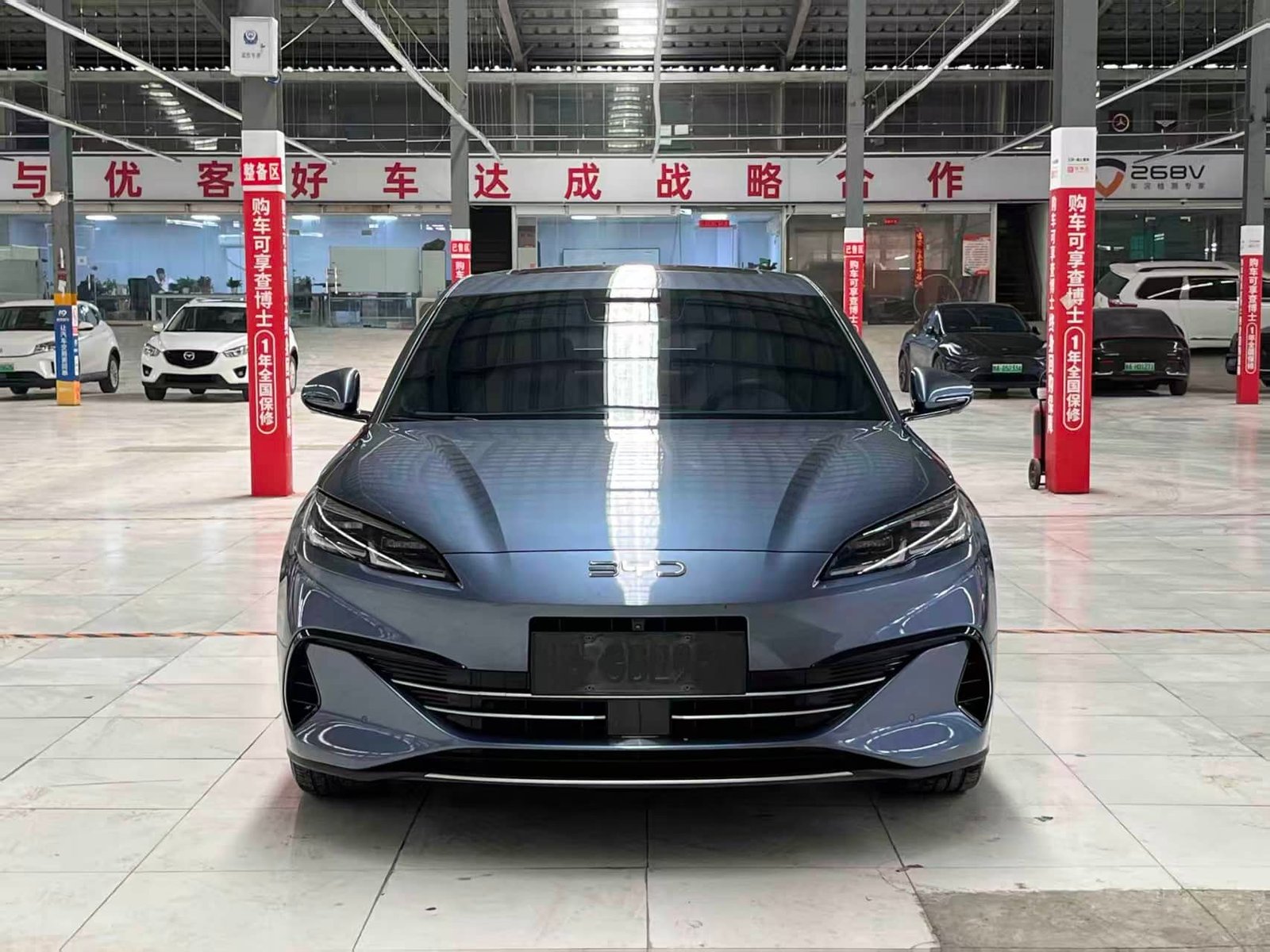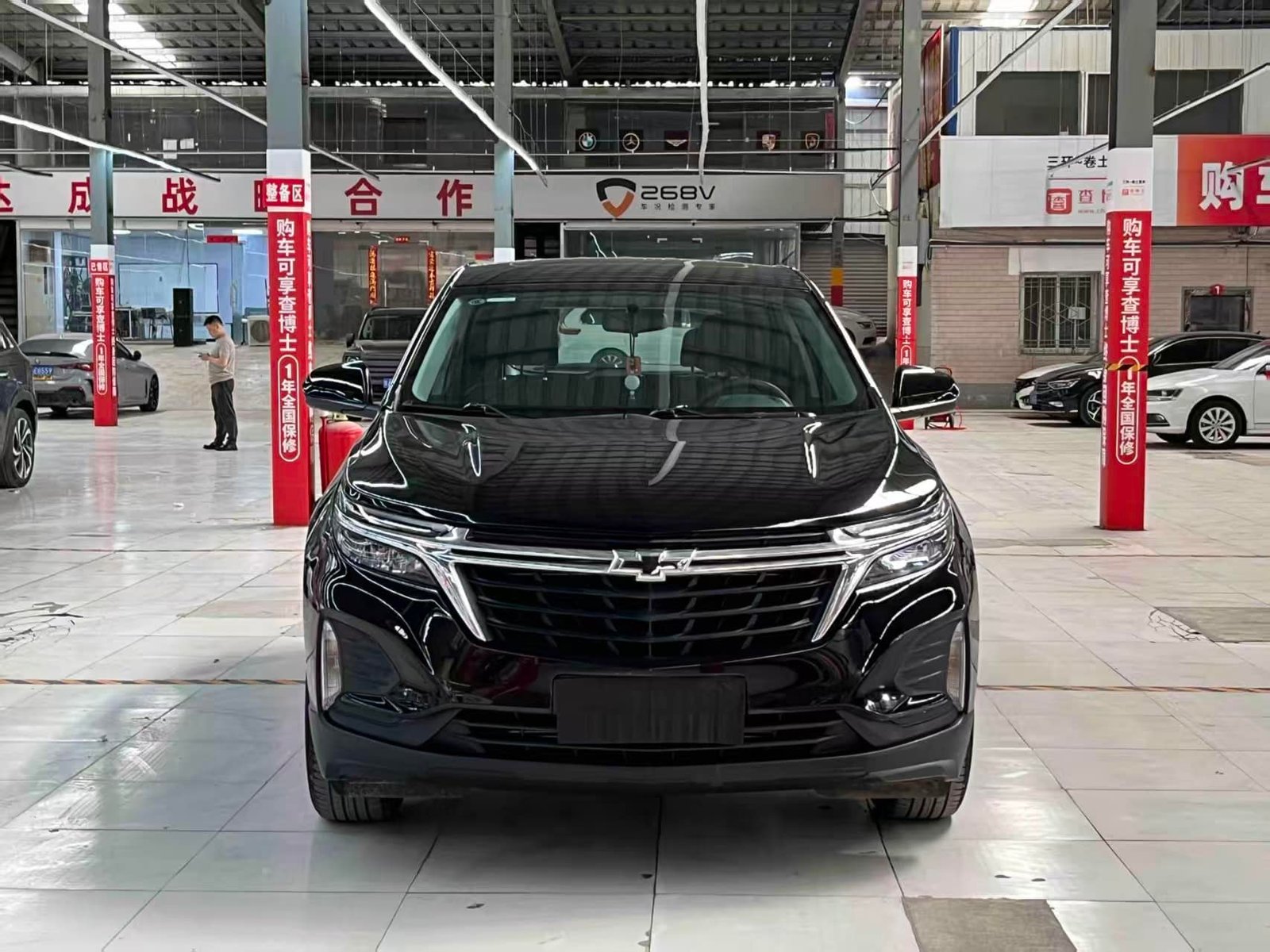
Car sourcing from China involves defining the vehicle specification, verifying the exporter, confirming the landed cost, inspecting the car, completing export documents, and arranging international transport. Buyer approval and sourcing normally take 7-15 days when specifications are clear (AutoZQI sourcing records, 2026). RoRo shipping to Lagos takes approximately 30-45 days (AutoZQI logistics, 2026). This guide explains the process for importers, dealerships, fleet operators, and automotive distributors.
TL;DR
The process has six steps and typically requires 2-6 weeks before shipment, depending on vehicle availability and export documentation. Prepare your company details, destination port, preferred models, budget, quantity, and local import requirements. Use a licensed exporter, request an inspection report, and approve the VIN before paying the final balance.
Key Takeaways
- Define exact models, trims, production years, and acceptable substitutes.
- Verify the Chinese supplier’s company registration and export capability.
- Compare FOB, CIF, and DAP quotations on the same basis.
- Inspect each vehicle and match its VIN to the sales contract.
- Confirm destination-country eligibility before shipment.
- Keep payment records, export documents, and shipping documents aligned.
Step 1: Prepare a Precise Vehicle Request
A detailed request reduces incorrect quotations and unsuitable vehicle offers.
- State whether you need new, used, petrol, hybrid, plug-in hybrid, or battery-electric cars.
- List brand, model, trim, model year, color, quantity, steering position, and target price.
- Provide the destination port and preferred shipping method.
- Identify required certificates, age limits, and emissions standards in your market.
| Requirement | Example buyer instruction | Why it matters |
|---|---|---|
| Vehicle specification | 2026 compact EV, left-hand drive | Prevents mismatched offers |
| Quantity | 10 units per shipment | Affects pricing and container planning |
| Trade term | CIF Jebel Ali | Defines included freight and insurance |
| Compliance | VIN list and conformity documents | Supports customs clearance |
Common mistake: Requesting only a model name without trim, battery size, or model year.
How to verify: Ask for a specification sheet and photographs showing the VIN plate, dashboard, exterior, and charging port where applicable.
Step 2: Verify the Supplier and Vehicle Source
China has a large and varied vehicle supply chain; background information is available in this overview of the China automotive industry. Buyers should still verify the specific company handling their transaction.
- Request the supplier’s Chinese business license and registered company name.
- Confirm that the contract beneficiary matches the bank-account holder.
- Check the business address, website domain, and named sales contact.
- Ask how the vehicle was obtained and whether it has already been registered.
For additional screening methods, review this guide on avoiding scams when buying cars from China.
Common mistake: Sending funds to a personal or unrelated third-party account.
How to verify: Compare the license, pro forma invoice, contract, bank beneficiary, and company stamp before payment.
Step 3: Compare the Full Landed Cost
The lowest vehicle price may not produce the lowest delivered cost.
- Obtain an itemized quotation covering the vehicle, inland transport, export handling, inspection, freight, and insurance.
- Confirm whether the price is FOB, CIF, or DAP.
- Add destination duties, VAT, port charges, customs brokerage, registration, and inland delivery.
- Check the quotation’s currency, validity period, and payment schedule.
Documentation, port handling, and domestic transport can add 2-5% to the vehicle purchase value (AutoZQI transaction records, 2026).
Common mistake: Comparing an FOB offer with a CIF offer as if they include identical services.
How to verify: Put all offers into one landed-cost worksheet using the same destination, quantity, and exchange rate.
Step 4: Sign the Contract and Control Payment
The sales contract should define exactly what the seller must supply.
- Record the vehicle specification, quantity, price, Incoterm, destination, and delivery schedule.
- Include the VIN where allocated, or require VIN approval before final payment.
- Define the deposit, balance trigger, inspection rights, and refund conditions.
- List all documents that must accompany the shipment.
| Payment stage | Recommended evidence | Buyer control |
|---|---|---|
| Deposit | Signed contract and verified beneficiary | Starts vehicle reservation |
| Pre-shipment balance | VIN list and inspection report | Confirms supplied vehicles |
| Shipping confirmation | Bill of lading copy | Confirms cargo handover |
Common mistake: Paying 100% before the vehicle identity and condition are confirmed.
How to verify: Reconcile every payment request with the signed contract and verified corporate account.
Step 5: Inspect the Cars and Export Documents
Inspection should cover identity, condition, equipment, and document consistency.
- Match the VIN on the body, windshield, documents, and diagnostic scan.
- Check paintwork, tires, glass, interior, warning lights, mileage, and included accessories.
- For EVs, confirm battery specification, charging standard, cable type, and displayed state of health where test data is available.
- Request dated photographs, videos, and a signed inspection report.
Independent pre-shipment inspections generally take 1-2 days per batch (AutoZQI inspection records, 2026).
For multi-unit orders, approve a VIN-level checklist rather than one general batch report; this prevents accessories or documents from being assigned to the wrong car.
Common mistake: Accepting edited promotional images as inspection evidence.
How to verify: Require timestamped media and VIN references on every report page.
Step 6: Arrange Shipping and Destination Clearance
Choose transport based on route availability, vehicle condition, quantity, and destination-port rules.
- Use RoRo for operable vehicles when the route and schedule are suitable.
- Use a container for smaller batches, non-running vehicles, parts, or routes without RoRo service.
- Confirm freight, insurance, loading method, estimated departure, and free-storage period.
- Send the bill of lading, invoice, packing list, export declaration, and required certificates to the destination broker before arrival.
AutoZQI can coordinate sourcing, inspection, FOB or CIF shipping, and document preparation. Buyers requiring a route-specific quotation can contact AutoZQI.
Common mistake: Shipping before the destination broker checks import eligibility.
How to verify: Obtain written clearance guidance from a licensed local customs agent before loading.
Troubleshooting
| Symptom | Likely cause | Fix |
|---|---|---|
| Quoted model changes after deposit | Stock was not reserved | Require reservation evidence and substitution terms |
| VIN differs from invoice | Administrative or allocation error | Stop final payment and correct every document |
| Freight rises unexpectedly | Quote excluded local or seasonal charges | Request an itemized, time-limited freight offer |
| Customs rejects documents | Market requirements were checked too late | Pre-clear scanned documents with the destination broker |
| Vehicle arrives with missing items | No accessory checklist | Add keys, cables, tools, and manuals to the inspection report |
FAQ
Q: Can dealers buy cars directly from Chinese manufacturers?
A: Some manufacturers work only through domestic distribution channels or authorized export partners. A licensed exporter can source available vehicles, process export documentation, and arrange shipping.
Q: Is FOB or CIF better for car sourcing from China?
A: FOB suits buyers with their own freight contracts. CIF is easier when the exporter arranges ocean freight and insurance. Compare total destination cost rather than the quoted vehicle price alone.
Q: Can used cars be exported from China?
A: Yes, subject to Chinese export procedures and destination-country rules. Request registration history, mileage evidence, condition records, and an inspection report.
Q: What documents are normally required?
A: Common documents include the commercial invoice, packing list, sales contract, bill of lading, export declaration, VIN list, and market-specific certificates. Requirements vary by destination.