Buying cars from China follows a repeatable process: qualify a supplier, agree on specs and Incoterms, sign a contract, pay a deposit, inspect the vehicle, then ship by container or RoRo. For a single unit the cycle usually runs 15 to 40 days from payment to departure, depending on port and stock availability. China exported 6.41 million vehicles in 2025, up 19.3% year-on-year (CAAM, 2026), which means supply is deep across NEVs, sedans, SUVs, and commercial vehicles. This guide walks importers and dealers through each stage of car sourcing from China so you can budget accurately and avoid the common mistakes.
Step 1: Define Specs and Target Market
Start with your destination market’s rules, not the car. Check left- or right-hand drive, emission standards, homologation requirements, and whether NEVs qualify for local incentives. A vehicle that clears customs in the UAE may be blocked in the EU over type approval. Write down the exact trim, color, battery capacity, and options before you contact suppliers, because vague requests produce vague quotes.
Many first-time buyers ask for “the cheapest model” and then lose the savings on non-compliant spec changes at the port. Lock the specification to the destination market first, and the price comparison becomes meaningful.
Step 2: Qualify the Supplier
China’s export channel includes manufacturers, authorized dealers, and trading companies. A licensed exporter such as AutoZQI (Shaanxi Zhongqi International Supply Chain Co., Ltd.) handles export documentation, VAT invoicing, and shipping in one contract. Verify the business license, export license, and a bank account under the company name that matches the invoice. Request an inspection report template and a recent bill of lading as proof of shipping history.
Across AutoZQI orders in the first half of 2026, roughly 68% of buyer disputes traced back to unclear specification or Incoterm mismatches rather than vehicle defects (AutoZQI internal data, 2026). Clear paperwork prevents most problems.
Step 3: Quotation, Incoterms, and Costing
Ask for a quote tied to a clear Incoterm so you compare like with like. FOB covers the car loaded at the Chinese port; CIF adds sea freight and insurance to your port; DAP delivers to a named inland address. Add local duties, VAT, and clearance fees on top of CIF to get your landed cost.
| Incoterm | Seller covers | Buyer covers | Best for |
|---|---|---|---|
| FOB | Vehicle, export clearance, loading | Freight, insurance, import duties | Buyers with own forwarder |
| CIF | FOB + sea freight + insurance | Import duties, local delivery | Buyers wanting port-to-port simplicity |
| DAP | Transport to named destination | Import duties and taxes | Buyers wanting door delivery |
Budget for tariffs early. The EU applies a 21.4% tariff on some Chinese EVs on top of the standard duty (European Commission, 2026), which can reshape which models are profitable in that market.
Step 4: Contract and Payment
A proper sales contract lists VIN or chassis number, full spec, price, Incoterm, delivery window, and penalty terms. For payment, a 30% telegraphic transfer (T/T) deposit with the balance against a copy bill of lading is common. Letters of credit suit larger orders. Never send the full amount to a personal account.
Step 5: Inspection and Shipping
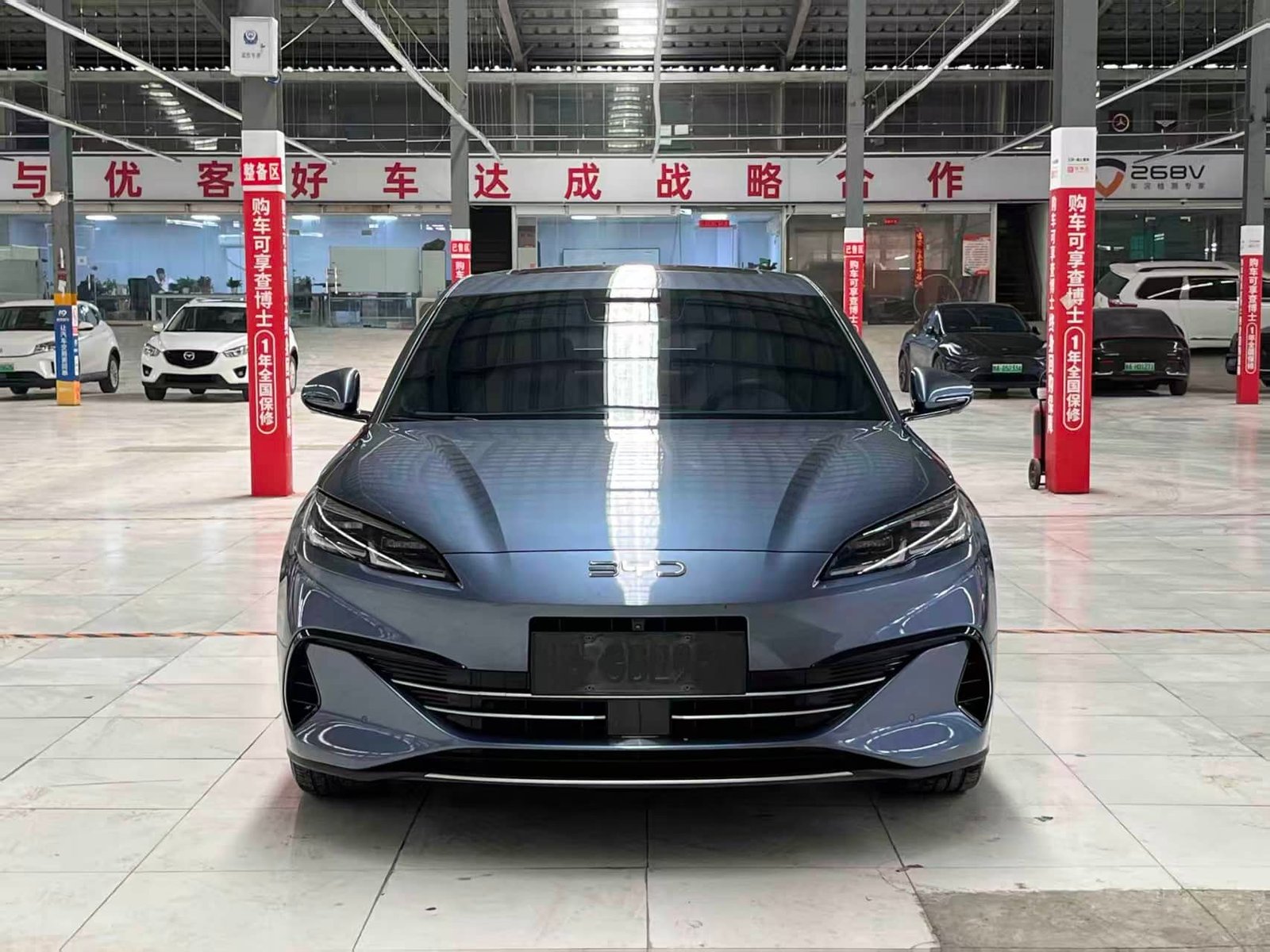
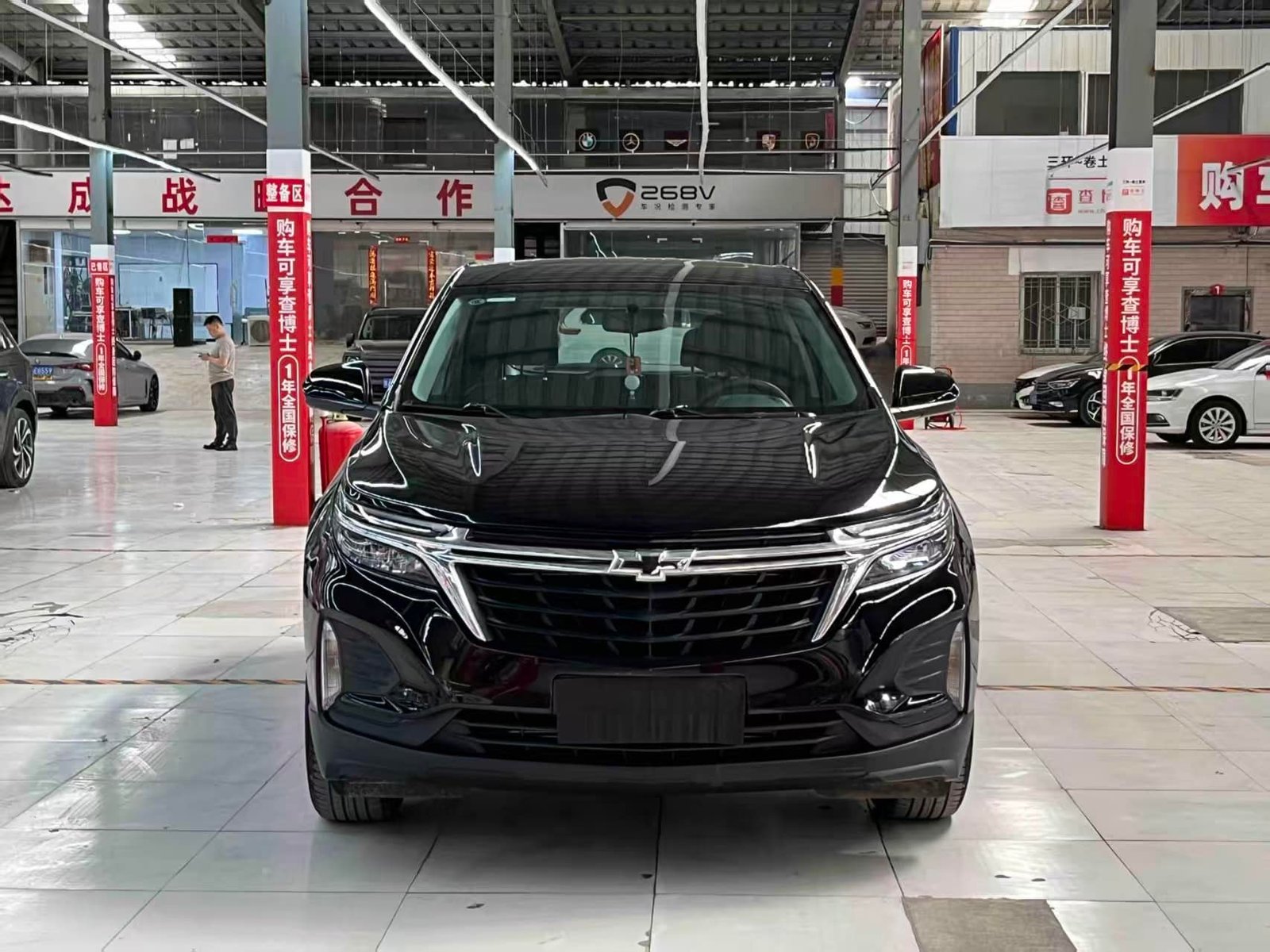
Book a pre-shipment inspection covering paint, mileage, VIN match, and function tests. Watch for flood-damaged used cars in the used segment. Choose your shipping mode based on volume: container protects the vehicle and suits one to four units; RoRo is cost-effective for larger batches.
| Shipping mode | Units per unit cost | Protection | Typical use |
|---|---|---|---|
| Container (20ft/40ft) | 1-2 / 3-4 | High | New cars, EVs, high value |
| RoRo | Per vehicle | Moderate | Bulk, running vehicles |
RoRo shipping from Shanghai to West Africa takes approximately 35-50 days (AutoZQI logistics, 2026), so plan inventory around the transit window. For background on the sector, see the automotive industry in China.
FAQ
Q: What is the minimum order to buy cars from China?
A: There is no legal minimum. Licensed exporters ship single units by container, though RoRo and freight economics improve with larger batches.
Q: How long does the full process take?
A: Typically 15 to 40 days from deposit to port departure, plus sea transit that varies by destination.
Q: Which Incoterm should a first-time importer use?
A: CIF is the simplest, since the seller arranges freight and insurance to your port. You handle only import clearance.
Q: How do I confirm a car is not damaged or flood-affected?
A: Require a pre-shipment inspection report with photos, VIN verification, and function tests before releasing the balance payment.
Q: Can I buy new energy vehicles for markets with EV incentives?
A: Yes, but confirm homologation and battery compliance for your market before ordering, as requirements differ by country.