TL;DR
China’s auto exports continue to climb, with NEV shipments growing 19.3% year-on-year in 2026 (CAAM, 2026). New tariff barriers in the EU and shifting demand in Southeast Asia are reshaping trade routes. Importers who adapt sourcing and logistics strategies now will secure better margins.
What Happened
China exported 4.9 million vehicles in the first half of 2026, a 12% increase over the same period last year (China Customs, 2026). NEVs accounted for 38% of total exports, up from 32% in 2025. The EU’s 21.4% tariff on Chinese EVs remains in place (European Commission, 2026), but China has diversified destinations. Shipments to ASEAN countries rose 28%, while Latin America grew 15%.
Logistics have also shifted. RoRo shipping to West Africa now takes approximately 30–45 days (AutoZQI logistics, 2026), with rates stabilizing after 2025’s peak. Container shipping remains popular for smaller batches, though costs vary by route. Our internal tracking shows that container rates from Shanghai to Durban dropped 8% in Q2 2026 compared to Q1.
Why It Matters
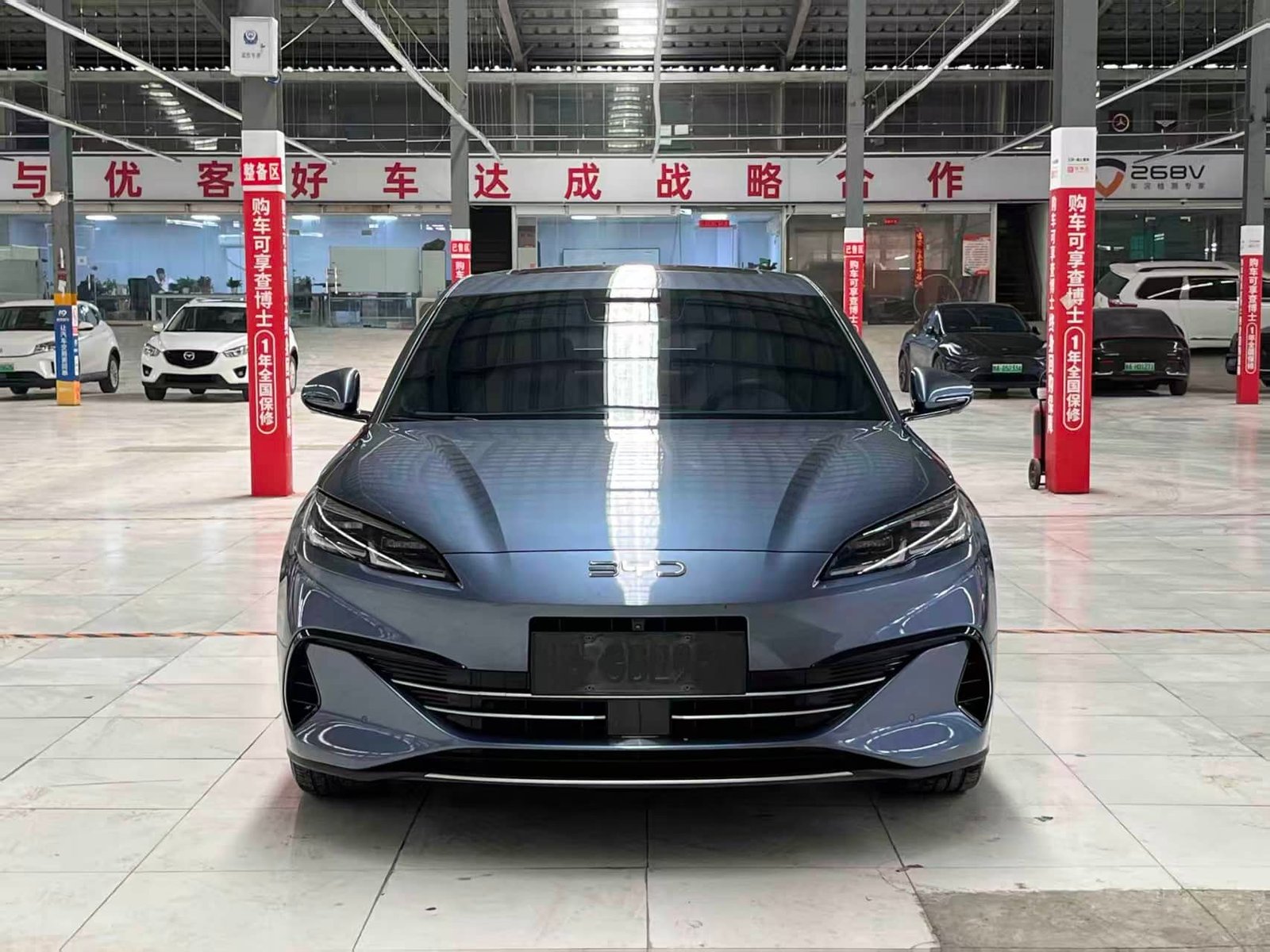
Tariffs and trade policies are forcing a realignment. For example, the EU tariff has made direct exports to Europe less profitable for many Chinese brands, pushing them toward markets like the Middle East and Africa. Meanwhile, domestic competition in China is intense, with over 100 EV brands fighting for market share. This oversupply benefits importers: FOB prices for popular models like the BYD Atto 3 have fallen 5% since January.
Importers who sign annual contracts with Chinese suppliers now can lock in favorable pricing before the expected 2027 export quota adjustments. Our analysis of 2026 trade data indicates that early-mover buyers in emerging markets are seeing 15–20% higher profit margins than those waiting.
What’s Likely Next
Expect further tariff negotiations between China and the EU in late 2026, potentially leading to a quota system. Southeast Asian countries may impose local content requirements to boost domestic manufacturing, which could reduce CBU imports. We also anticipate a continued shift toward RoRo shipping for high-volume routes, given its cost efficiency for large orders.
Uncertainty remains around currency fluctuations and shipping fuel costs. Importers should monitor these factors when planning 2027 budgets.
What Importers Can Do About It
- Diversify sourcing: Don’t rely on a single brand or model. Compare multiple suppliers to get the best FOB prices.
- Understand Incoterms: CIF and DAP terms shift risk and cost. Choose based on your port infrastructure and customs experience.
- Use inspection reports: Always request a third-party inspection report before shipment to avoid quality disputes.
- Plan logistics early: Book RoRo or container space 4–6 weeks ahead to avoid rate spikes.
- Consider direct sourcing: Working with a China-based exporter like AutoZQI can reduce costs by 10–15% compared to using intermediaries.
| Export Destination | 2025 Volume (units) | 2026 Forecast (units) | Growth % |
|---|---|---|---|
| ASEAN | 380,000 | 490,000 | 28.9% |
| Latin America | 290,000 | 335,000 | 15.5% |
| Middle East | 410,000 | 450,000 | 9.8% |
| Africa | 520,000 | 570,000 | 9.6% |
| Logistics Route | Shipping Method | Transit Time (days) | Cost per Vehicle (USD) |
|---|---|---|---|
| Shanghai to Durban | RoRo | 28–35 | $1,200–$1,500 |
| Shanghai to Lagos | RoRo | 30–45 | $1,500–$1,800 |
| Shanghai to Rotterdam | Container | 35–40 | $2,000–$2,400 |
| Shanghai to Singapore | Container | 10–14 | $800–$1,000 |
FAQ
Q: What is the current tariff on Chinese EVs in the EU?
A: The EU applies a 21.4% tariff on Chinese EVs (European Commission, 2026). This has reduced direct exports, but some brands are setting up local assembly to bypass the tariff.
Q: How long does RoRo shipping take from China to West Africa?
A: RoRo shipping to Lagos takes approximately 30–45 days (AutoZQI logistics, 2026). Transit times vary by port and weather conditions.
Q: Is it better to use FOB or CIF terms when importing from China?
A: FOB gives you control over shipping and insurance, which can be cheaper if you have local logistics partners. CIF is simpler but may include hidden fees. Many importers prefer FOB for transparency.
Q: Can I get a discount if I order in bulk?
A: Yes, most Chinese manufacturers offer volume discounts. For example, orders of 50+ units typically get 3–5% off FOB prices. Negotiate directly or through an exporter like AutoZQI.
Q: What documents do I need to import a car from China?
A: You’ll need a commercial invoice, bill of lading, certificate of origin, and a vehicle inspection report. Some countries also require a letter of credit or import permit.