Chinese EV export has become one of the fastest-moving segments in global vehicle trade, and importers who understand the process can source new-energy vehicles at competitive prices with predictable lead times. In short: buyers work with a licensed exporter, agree on Incoterms (FOB, CIF, or DAP), select a shipping method (container or RoRo), and receive an inspection report before payment. China’s NEV exports grew by 19.3% year-on-year in the first half of 2026 (CAAM, 2026), and battery-electric models now account for the majority of that volume. This guide covers pricing, logistics, tariffs, and how to vet suppliers.
Why Chinese EVs Attract B2B Buyers
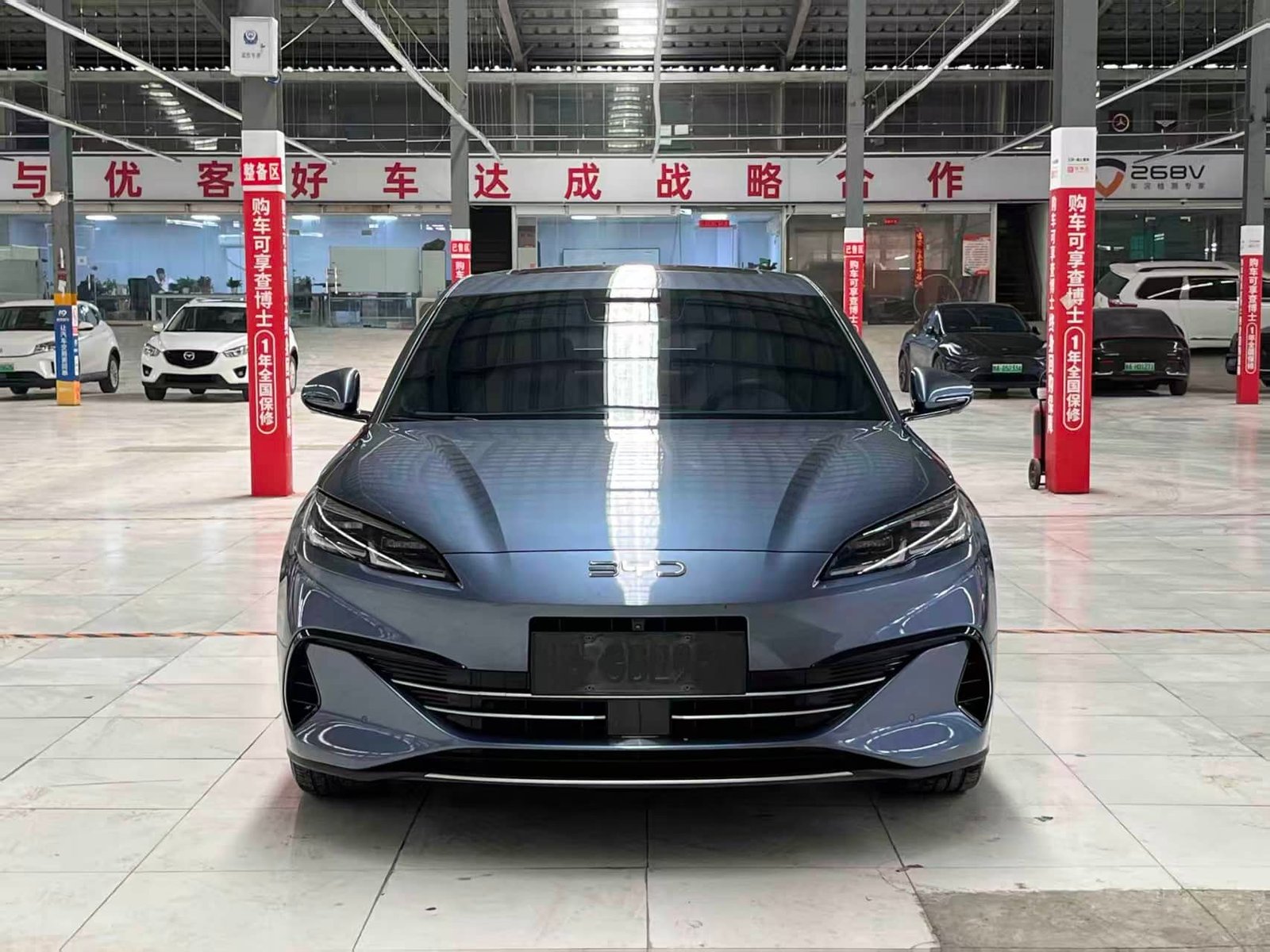
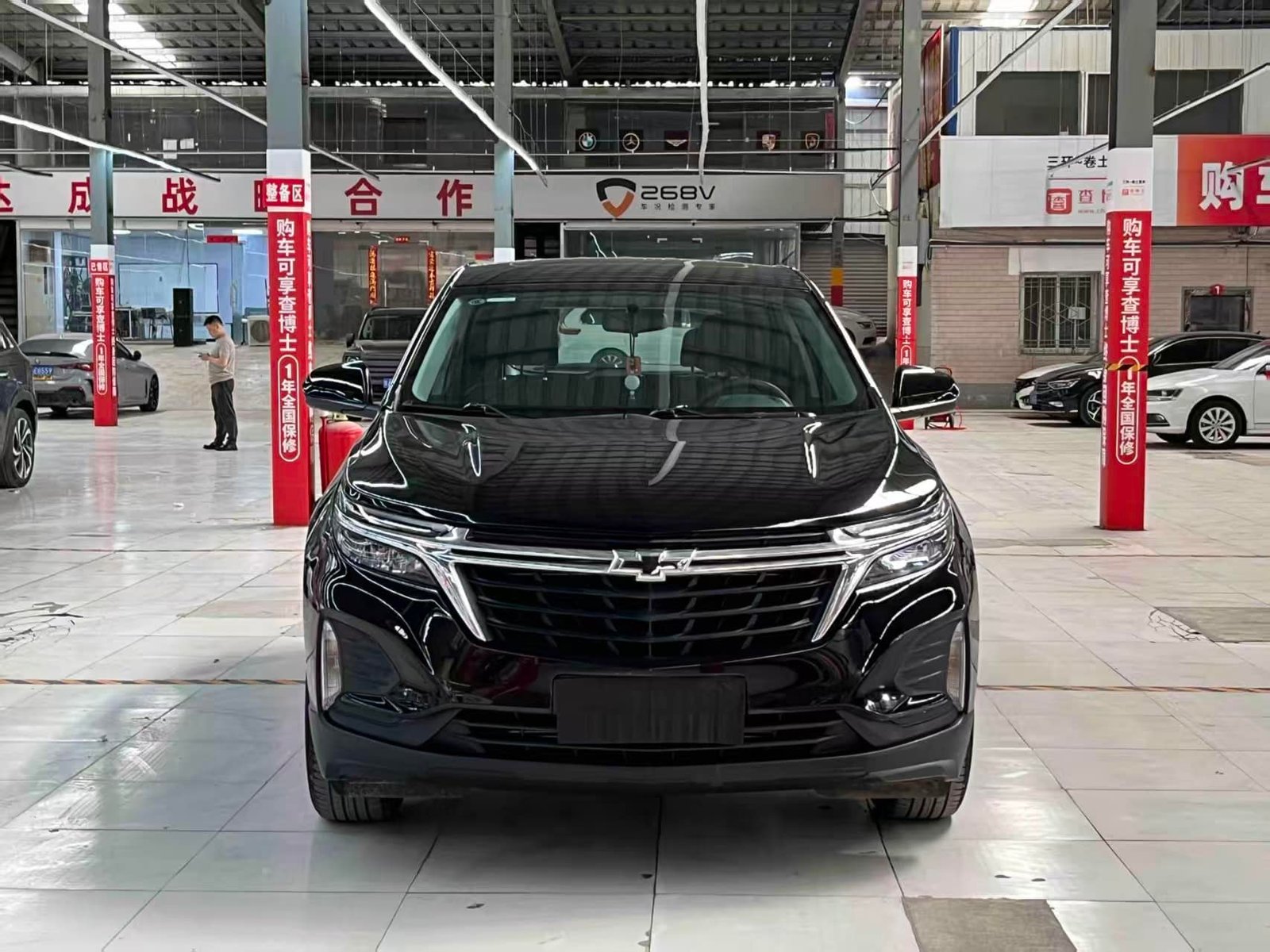
The appeal comes down to price, range of models, and manufacturing scale. Chinese brands such as BYD, Geely, and Chery produce battery-electric and plug-in hybrid vehicles across nearly every segment, from compact city cars to full-size SUVs. Factory output supports both left-hand and right-hand drive markets, which matters for dealers in Africa, the Middle East, Southeast Asia, and Latin America.
The biggest shift we see at AutoZQI is that importers are moving away from single-unit trial orders toward mixed containers of two to four vehicles, which spreads freight cost per unit and lets dealers test several models in one shipment. For background on the sector, see the automotive industry in China.
Pricing and Incoterms Explained
Most quotes start at FOB (Free On Board), meaning the price covers the vehicle delivered to the Chinese port. CIF (Cost, Insurance, Freight) adds ocean freight and marine insurance to the destination port. DAP (Delivered At Place) covers delivery to a named inland location but excludes import duty and local taxes.
Based on AutoZQI order data from Q1-Q2 2026, choosing CIF over FOB adds roughly $900 to $1,600 per vehicle depending on destination, but removes the buyer’s need to arrange freight and insurance separately.
| Incoterm | What it covers | Best for |
|---|---|---|
| FOB | Vehicle to Chinese port | Buyers with own freight forwarder |
| CIF | FOB + freight + insurance to destination port | Buyers wanting one price to port |
| DAP | Delivery to named inland place, duty excluded | Buyers needing door-level delivery |
A typical mid-size Chinese battery-electric SUV quotes around $18,000 to $26,000 FOB in 2026 (AutoZQI pricing, 2026), before freight and destination charges.
Shipping Methods: Container vs RoRo
Two methods dominate. Container shipping loads one to four vehicles into a 20ft or 40ft container, offering protection from weather and handling damage. RoRo (roll-on/roll-off) drives vehicles directly onto a dedicated vessel and costs less per unit for larger volumes, though scheduling is less frequent on some routes.
RoRo shipping from Shanghai to West African ports takes approximately 35-50 days (AutoZQI logistics, 2026), while container transit times are broadly similar but depend on consolidation.
| Factor | Container | RoRo |
|---|---|---|
| Vehicles per unit | 1-4 | Single units, high volume |
| Damage protection | Higher | Lower |
| Cost per vehicle | Higher for 1 unit | Lower at volume |
| Battery/EV handling | Sealed, documented | Requires state-of-charge rules |
EV shipments carry extra rules. Vessels and container lines usually require the battery state of charge to sit within a set range, and lithium battery documentation must accompany the vehicle. A reliable exporter handles this paperwork as standard.
Tariffs and Destination Costs
Import duty is set by the destination country, not the exporter, and it changes the landed cost significantly. The EU applies tariffs of up to 35.3% on some Chinese battery-electric vehicles on top of the standard rate (European Commission, 2026), which is why many exporters focus on markets in Africa, the Gulf, and Asia. Buyers should confirm their local duty, VAT, and homologation requirements before ordering.
An accurate inspection report protects buyers here, documenting VIN, battery health, and factory condition so there are no disputes at customs.
How to Vet a Chinese EV Exporter
Check for a valid export license, a registered company name, and the ability to provide an inspection report with photos before payment. Ask for the export volume history and references from dealers in your region. Avoid suppliers who request full payment to personal accounts or refuse third-party inspection.
For a deeper checklist, our guide on avoiding scams when buying cars from China walks through red flags and payment protection.
FAQ
Q: Can I buy a single EV, or is there a minimum order?
A: Single units are possible, but freight cost per vehicle drops when you fill a container with two to four units. Many dealers start with a mixed container.
Q: Are Chinese EVs available in right-hand drive?
A: Yes. Major brands produce RHD versions for markets such as the UK, Kenya, and Southeast Asia. Confirm the specific model and trim availability when ordering.
Q: Who pays import duty?
A: The importer pays duty and local taxes at the destination unless you agree on a DDP arrangement. FOB, CIF, and DAP all exclude destination import duty.
Q: How is the EV battery shipped safely?
A: Batteries ship at a controlled state of charge with lithium battery documentation. A licensed exporter arranges this and includes it in the shipping paperwork.
Q: How long does delivery take?
A: Production and inland transport add time before sailing, and ocean transit runs roughly 30-50 days depending on route and method.